
All Articles
Let Members Lead »
October 2, 2018 | Barbara MadeloniIt was a decisive moment in the West Virginia teachers strike. State union leaders, presenting a deal that would leave out some public sector workers, were greeted with a chorus of “back to the table!”
NAFTA 2.0: What's the Deal? »
September 28, 2018 | Dan DiMaggioWhat does a renegotiated NAFTA mean for workers in the U.S., Canada, and Mexico? At best, it might stem some of the bleeding.

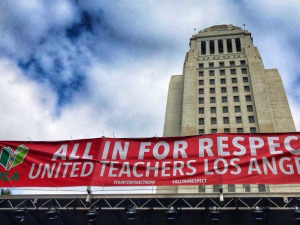
Are Los Angeles Teachers Next? »
September 25, 2018 | Samantha WinslowWho’s next to join the strike wave? The nation’s second-largest teachers local, in Los Angeles, kicked off the school year with a strike authorization vote.
With 81 percent of teachers voting, 98 percent backed a strike if mediation fails this fall.
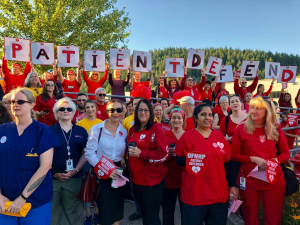
It's Down to the Wire in Tense Talks at Health Care Giant Kaiser »
September 21, 2018 | Alexandra BradburyBargaining between health care giant Kaiser Permanente and a new union alliance representing 38,000 of its employees has come down to the wire.
“Kaiser is playing hardball,” said Oregon Federation of Nurses and Health Practitioners President Adrienne Enghouse, a 21-year nurse.
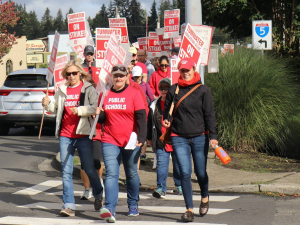
Washington Walkouts Win Teachers Big Raises »
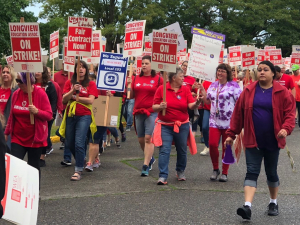
September 20, 2018 | Barbara MadeloniFifteen districts started the school year on strike in Washington state—the latest to ride the West Virginia wave.
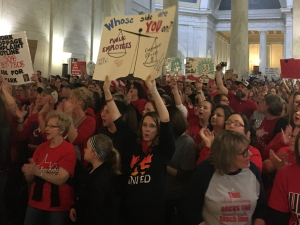
West Virginia Teachers Launch Rank-and-File Caucus »
September 19, 2018 | Dan DiMaggioA group of West Virginia teachers, including rank-and-file leaders of the nine-day strike earlier this year, have launched a cross-union caucus.

How Milwaukee Teachers Beat Back Cuts and Busywork »
September 4, 2018 | Samantha WinslowCollective bargaining is all but illegal for public sector workers in Wisconsin. So how did Milwaukee teachers not only block major cuts to public schools but also make gains on workload and health care?
Strikes and the City »
August 30, 2018 | Bianca CunninghamWhy are some union leaders saying public sector workers shouldn’t have the right to strike?
We expect it from conservatives like former New York Mayor Rudy Giuliani, who told the Post that ending the state’s ban on public sector strikes would “turn New York into Venezuela.”