All Articles
After GM Boasts Higher Revenue, Auto Workers Strike Its Cash Cow »
October 24, 2023 | Keith Brower BrownGeneral Motors CEO Mary Barra started her day boasting to company investors how much car sales and revenues have recently climbed.

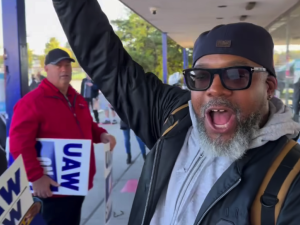
Auto Workers Halt Stellantis’s Biggest Moneymaker »
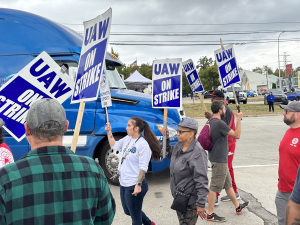
October 23, 2023 | Luis Feliz Leon | Lisa XuToday 6,800 Auto Workers (UAW) struck the most profitable Stellantis plant in the world.
At 10 a.m. workers streamed out of the Sterling Heights Assembly Plant (SHAP), near Detroit, where they build the Ram 1500 pickup.
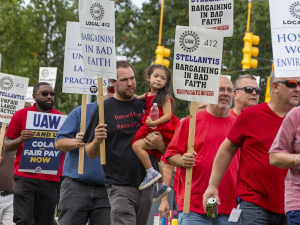
It’s Working: Auto Workers’ Strike Strategy Is Forcing the Big 3 to Pony Up »
October 20, 2023 | Luis Feliz LeonThe Auto Workers (UAW) have thrown the Big 3 on the back foot.
For the first time in recent history, the union is playing the automakers against each other—departing from its tradition of choosing one target company and patterning an agreement at the other two.
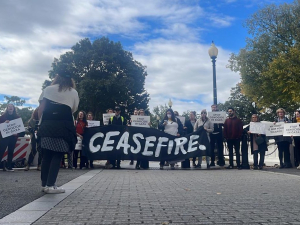
U.S. Unions Call for Ceasefire in Gaza »
October 19, 2023 | Alexandra Bradbury | Luis Feliz LeonWhile many union members and other workers are worried and horrified at the mounting war in Israel and occupied Palestine, U.S. unions so far have mostly remained silent.
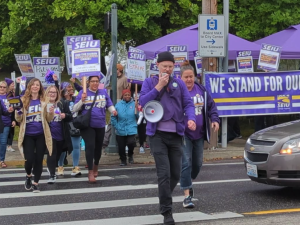
Record-Setting Strike Moves Kaiser the Old-Fashioned Way »
October 18, 2023 | Alexandra BradburySeventy-five thousand Kaiser Permanente health care workers struck October 4-6 in what was billed as the biggest health care strike in U.S. history.
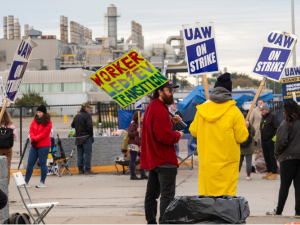
Auto Workers Power Up Fight for an Electric Future »
October 16, 2023 | Keith Brower BrownThe highest stakes of the United Auto Workers’ strike could be for workers not yet hired, at plants not yet built.

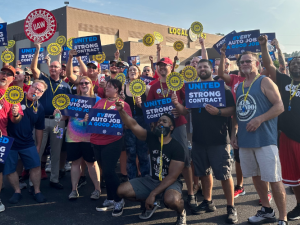
Auto Workers Escalate: Surprise Strike at Massive Kentucky Ford Truck Plant »
October 11, 2023 | Keith Brower BrownEvery Friday for the past four weeks, Big 3 CEOs have waited fearfully for Auto Workers (UAW) President Shawn Fain to announce which plants will strike next.
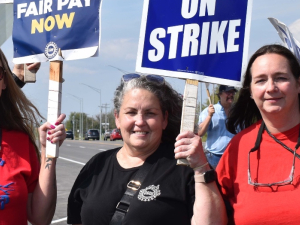
Auto Workers Spare Big 3, Win Landmark Just Transition at General Motors »
October 6, 2023 | Luis Feliz LeonOn Facebook Live Friday afternoon, Auto Workers President Shawn Fain symbolically awarded roses to automakers General Motors, Stellantis, and Ford based on progress at the negotiating table, a reference to the reality show