
All Articles

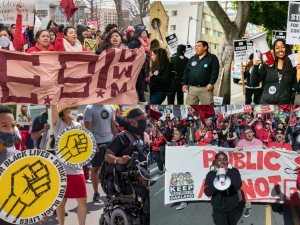
After 500 Issues, A Look at Labor Notes Then and Now »
October 19, 2020 | Jane SlaughterHow was Labor Notes #1, from February 1979, different from Labor Notes #500, the issue we just sent to the printer? There’s the obvious:

Unions Are Beginning to Talk About Staving Off a Possible Coup »
October 15, 2020 | Barbara Madeloni“Therefore, be it finally resolved that the Rochester Labor Council, AFL-CIO calls on the National AFL-CIO, all of its affiliate unions, and all other labor organizations in the United States of America to prepare for and enact a general strike of all working people, if necessary, to

![Big crowd of members in a hallway, many fists in air. Front row holds oversized photo signs with captions: "OVERFLOWING, UNSAFE SHARPS DISPOSAL: THIS IS WHAT UNDERFUNDING LOOKS LIKE." "BLO{***}ATER LEFT UNATTENDED FOR DAYS: THIS IS WHAT UNDERSTAFFING LOOKS LIKE." "PATIENTS DISCHARGED IN FILTHY CLOTHING."]](https://www.labornotes.org/sites/default/files/styles/archives_300x225/public/main/articles/Untitled%20design%20%283%29.png?itok=aWefXlPw)
Understaffed and Unsafe, Bay Area Hospital Workers Strike »
October 6, 2020 | Bianca CunninghamUPDATE, October 9: Striking workers at Alameda Health System are https://labornotes.org/blogs/2020/10/east-bay-health-care-workers-strike-forces-county-disband-bosscelebrating a victory in the midst of their strike, as the Board of Supervisors suddenly announced they would disband the u
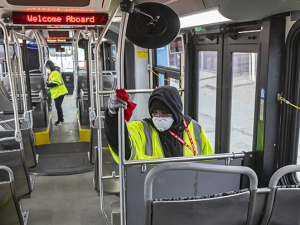
Detroit Bus Drivers Strike over Violent Attacks »
October 5, 2020 | Jane SlaughterDetroit bus drivers, the first essential workers in the country to strike for safety during the pandemic, pulled a wildcat work stoppage again Friday, angry over escalating violence
Collective Action Is How We Shake Ourselves Free of Pandemic Isolation »
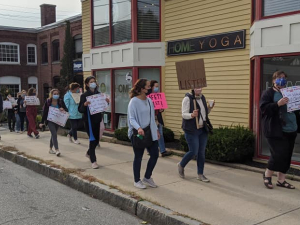
September 30, 2020 | Barbara MadeloniThe pandemic has made me see more clearly why it works when workers get together to solve problems collectively.

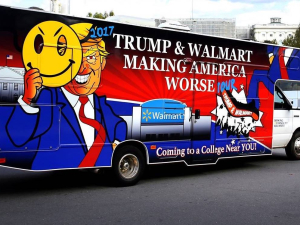
Book Review: The Cost of Free Shipping: Amazon in the Global Economy »
September 29, 2020 | Joe DeManuelle-HallAmazon's name appears regularly on picket signs and in headlines decrying worker abuse and corporate callousness. It can be difficult, though, to find a comprehensive perspective on the company's crimes and transgressions, not to mention discussion of what we can do about it.